



 By Kevin Thige Gichohi, a Software Engineering student at Zetech University.
As a software engineering student at Zetech University, I stand at the crossroads of two dynamic forces: Kenya’s growing innovation ecosystem and the global artificial intelligence revolution transforming software development. This convergence offers great opportunities and prompts important questions about what being a software engineer means in 2026 and beyond.
The New Reality of Software Development
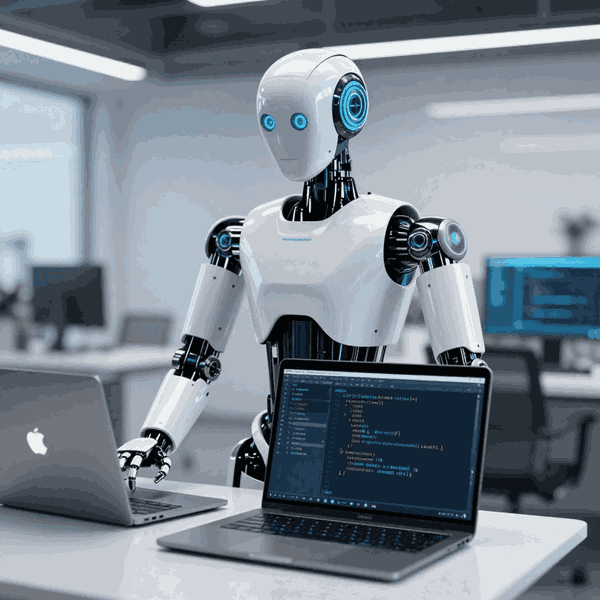
When I began studying software engineering, I expected to spend years mastering programming languages, data structures, and algorithms before contributing significantly. But today’s landscape is different. AI-powered coding assistants have changed software development by democratising access to professional tools. In October 2025, major tech companies introduced powerful AI tools: Microsoft’s Agent Framework for AI workflows, Meta’s DevMate which scans codebases to suggest improvements, and Google’s Gemini Enterprise for seamless AI integration. These production-ready systems are widely adopted, not experimental. For students like me, this raises an important question: what should we focus on learning when AI can generate code faster than we type?
The Fundamentals Still Matter
The answer is that AI tools amplify, not replace, human skills. They boost those who understand software engineering principles. While tools like GitHub Copilot autocomplete code and suggest optimisations, they cannot replace understanding why algorithms work efficiently or how to design scalable systems solving real problems.
Core competencies remain crucial: object-oriented programming, API design, database management, version control with Git, and knowing how computers process information. AI excels at implementation but needs humans to define clear problems, make architectural choices, and align solutions with user needs and business goals. Zetech University plays a vital role in this development. Our curriculum combines theory with practical skills, preparing us not only to write code but to think critically about design, security, scalability, and maintainability.
Kenya’s Innovation Landscape: Real Solutions for Real Problems
What excites me most about studying software engineering in Kenya is the vast array of meaningful problems awaiting solutions. The Tech Challenge Kenya 2025, recently held in Kisumu and Nakuru, involved nearly 5,000 students from over 1,000 schools designing devices that survive aerial drops to deliver emergency supplies to drought-hit regions like Turkana County. This innovation directly serves humanitarian needs. Similarly, the GovTech Challenge Series invites startups and students to create solutions transforming public sector services—from ECDE data systems in Nairobi County to climate information tools for vulnerable communities.
These efforts show Kenya is not just using technology but creating solutions tailored to its needs. The UNDP’s Hack-a-Green Future Hackathon held at Konza Technopolis in October 2025 challenged innovators to develop climate resilience tools addressing issues from invasive weed control in Kajiado to market platforms for farmers in Makueni. These urgent challenges affect communities directly.
Bridging the Gap: From Learning to Impact
First-year students often wonder when our skills become relevant. The answer is sooner than we think. Platforms like GitHub, cloud services, and AI assistants lower entry barriers, enabling students to prototype real solutions within months. However, this ease comes with responsibility. We must resist deploying AI-generated code without understanding its implications. Software engineering is not just making code work but ensuring it is correct, secure, and ethical. This demands “technological literacy” – critically evaluating AI outputs, knowing their limits, and making careful judgments on when to rely on automation.
Skills to Define Our Generation
Looking forward, I believe successful software engineers from our generation will master three areas:
- Technical depth: A solid grasp of fundamental computer science concepts, programming paradigms, and system design. AI may help write code, but it cannot teach strategic thinking on complex systems.
- Domain expertise: Understanding industries like agriculture, healthcare, finance, or climate where software solutions have impact. Knowing context is key to building effective technology.
- Human skills: Communication, collaboration, ethical reasoning, and bridging technical and nontechnical stakeholders. As AI takes on routine coding, our true value will be in understanding user needs, managing teams, and ensuring tech serves people well.
A Call to Action for Fellow Techizens
To fellow innovators at Zetech University and Kenya’s growing tech training community: we enter the field at an unprecedented moment. Tools that once seemed science fiction are now at our fingertips. AI assistants enable faster learning, ambitious building, and global competition from day one. But with these opportunities comes responsibility. We must commit to continuous learning—not just new tools but fundamental principles beyond trends. We must engage with real community problems, applying our skills to improve lives. And we must see AI not as a shortcut past understanding, but as a partner enabling greater challenges. The future of software engineering in Kenya is not about choosing between humans and AI. It’s a new model where humans provide vision, judgment, and ethics, while AI augments capabilities and handles implementation.
As I continue my journey through Zetech University’s Software Engineering programme, I am committed to balancing excitement for new technologies with mastering fundamentals. I believe our generation can lead, not just participate, in creating solutions that address uniquely African challenges with global relevance. The question is not whether AI will change software engineering—it already has. The question is how we, emerging engineers, will harness it to build a better future for Kenya and beyond.